Car Rental Insurance Coverage: What Finnish Travellers Really Need Before Booking
Booking a hire car takes ten minutes online. Understanding car rental insurance coverage takes a bit longer, and skipping that step can cost you anywhere from 300 to 2,000 euros if something goes wrong on the road. Rental desks in Finland and across Europe routinely offer cover packages priced at 15 to 35 euros per day, while a standalone excess policy bought in advance often costs 3 to 8 euros per day for the same peace of mind. This guide breaks down what each type of cover actually does, what your credit card or travel insurance might already include, and how to book the right protection without paying twice.
What Does Car Rental Insurance Coverage Actually Include?
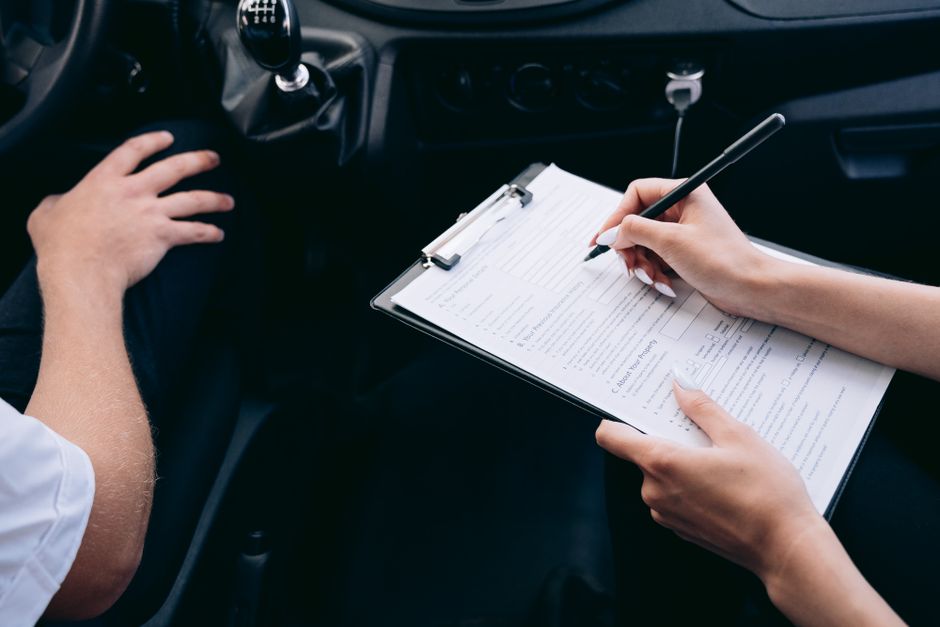
When you rent a car, a basic level of insurance is nearly always included in the rental price by law. In Finland, as in the rest of the EU, third-party liability cover is mandatory. That means if you injure someone or damage another vehicle, the rental company’s policy responds first. What is not fully covered is the rental car itself.
Most rentals in Europe come with a Collision Damage Waiver (CDW) and theft protection included or offered at a low supplement, but both carry an excess. The excess, sometimes called a deductible, is the amount you pay out of pocket before the waiver kicks in. Typical excesses in Finland run from 900 to 1,500 euros for damage and a similar amount for theft. Car rental insurance coverage you buy at the desk, or in advance from a third party, is mostly about reducing or eliminating that excess.
The Three Core Components
- Third-party liability: mandatory, covers injury and damage to others, usually with high statutory limits.
- Collision Damage Waiver (CDW): limits your liability for damage to the rental car, subject to the excess.
- Theft protection (TP): limits your liability if the car is stolen, also subject to a separate excess.
Watch for exclusions too. Windows, tyres, underbody, roof and interior damage are frequently excluded from standard CDW, which is why many po
 licies sold at the desk are marketed as “full” protection. Always read the list of exclusions in the rental terms before you travel, not at the counter at Vantaa airport at midnight.
Should You Buy Insurance at the Rental Desk or in Advance?
This is where most travellers overspend. Desk insurance from the major companies, including Hertz, Avis, Europcar and Sixt, typically costs 15 to 35 euros per day. For a week-long hire, that is 105 to 245 euros of cover added to a rental that may have cost less than that in total.
Standalone excess insurance from specialist providers such as iCarhireinsurance, Questor Insurance or RentalCover costs roughly 3 to 8 euros per day, or around 40 to 90 euros for an annual multi-trip policy if you rent several times a year. The way it works is simple: you decline the desk cover, keep the standard CDW with its excess, and if damage occurs you pay the rental company the excess and then claim it back from your insurer.
The trade-off is cash flow and paperwork. With desk cover, you walk away with zero financial exposure. With third-party excess cover, you may need to front 1,000 euros on your credit card for several weeks while the claim is processed. Some premium policies offer an option where the insurer settles directly with the rental company, so check the policy wording.
| Option | Typical daily cost | Excess you pay if damaged | Cover for tyres, glass, underbody |
|---|---|---|---|
| Rental desk full protection | 15–35 € | 0 € | Usually yes |
| Third-party excess policy | 3–8 € | Pay and reclaim | Usually yes, check wording |
| Nothing extra | 0 € | 900–1,500 € | No |
| Premium credit card cover | 0 € (card fee) | Often 0 € for collision | Rarely |
Do Finnish Travel Insurance Policies or Credit Cards Cover Rental Cars?
Many Finns already hold annual travel insurance through their home insurance provider, typically LähiTapiola, If, Pohjola or OP. These policies commonly include some rental car liability cover, but the details matter enormously. Some cover only the excess, with a cap of 500 to 1,000 euros. Others exclude vans, premium cars or rentals longer than 30 days. Pull out your policy documents and search for “vuokra-auto” before assuming you are protected.
Credit cards are the other common source of hidden cover. Several premium cards issued in Finland, particularly American Express and some Nordea or OP platinum-tier cards, include rental car collision cover when you pay for the full rental with the card. The cover usually applies to physical damage and theft but not liability, and it may be secondary, meaning it pays only after your travel insurance has paid its share. If you rely on card cover, keep the rental agreement and the card payment receipt; without proof that the card paid for the booking in full, claims are routinely rejected.
How Much Excess Should You Expect on a Finnish Rental?
Excess amounts vary by vehicle category and company. A compact Toyota Corolla from a mainstream supplier at Helsinki-Vantaa usually carries a damage excess of 900 to 1,200 euros. Premium sedans, electric vehicles and SUVs often push that to 2,000 euros or more. Vans and people carriers can carry the highest excesses of all. Suppliers such as Green Motion or smaller local firms sometimes advertise headline rates of 9 euros a day, but with excesses above 3,000 euros, which is why the cheapest daily rate is rarely the cheapest overall deal.
Also expect a deposit hold on your card at pickup, usually equal to the excess plus fuel, ranging from 300 to 3,500 euros depending on the vehicle. If your card has a low credit limit, this alone can cause problems at the desk, so plan accordingly.
What Should You Check Before Driving Off?
Photograph the entire car at pickup and return, including wheels, windscreen, bumpers and the fuel gauge, with timestamps visible. These photos settle the majority of damage disputes. In Finland, winter driving adds another layer: studded tyres are legally required from December to February and damage from gravel and ice chips to windscreens and paint is common in spring. Windscreen damage is one of the most frequent exclusions on basic waivers, so confirm whether glass is covered before you drive north.
Check whether the rental includes a second driver fee, cross-border rules for trips to Sweden, Norway or the Baltics, and the fuel policy. “Full-to-full” is standard and fair; prepaid fuel schemes almost always cost you more.
FAQ: Car Rental Insurance Coverage
Is car rental insurance coverage mandatory in Finland?
Third-party liability insurance is included by law in every rental. CDW and theft protection are usually included as well, but with an excess you remain responsible for. Extra cover is optional.
Can I use two insurances together?
Yes. A common setup is to keep the included CDW with its excess and add a cheap third-party excess policy that reimburses you if you have to pay that excess after a claim.
Does excess insurance cover tyre and windscreen damage?
Most standalone excess policies do cover tyres, glass, underbody and keys, which standard waivers often exclude. Always verify the specific exclusions list in the policy document.
Is it cheaper to buy an annual policy?
If you rent a car three or more times a year, an annual excess policy at roughly 40 to 90 euros is almost always cheaper than daily desk cover at 15 to 35 euros per rental day.
Conclusion
You do not need every product the desk offers, but you do need to know your excess before you drive away. Check your existing travel insurance and credit card benefits first, then fill the gap with a standalone excess policy bought before you travel. For most travellers renting in Finland and Europe, that combination cuts protection costs by 60 to 80 percent compared with desk prices while keeping your worst-case loss close to zero.