Car Rental Insurance UK: What You Need, What to Skip and Where to Buy It in 2025
Renting a car in the UK should be simple. You pick a vehicle online, pay with a card, collect the keys at the airport. Then the counter agent hands you a leaflet about damage waivers, tyre protection, windscreen cover and key replacement, and suddenly your £25-per-day Fiat 500 comes with £30 of extra insurance per day. Understanding car rental insurance UK before you travel is the single easiest way to cut this cost, and if you are driving over from France or flying into Heathrow, Gatwick or Manchester, a little preparation saves serious money.
What insurance is legally required when renting a car in the UK?

UK law requires every rental car to carry third-party liability insurance, so damage you cause to other people, vehicles or property is covered from the moment you sign the contract. The rental price also normally includes fire and theft cover for the vehicle itself. What is almost never included is cover for damage to the rental car in a collision, and that is where the two big abbreviations come in: CDW (Collision Damage Waiver) and LDW (Loss Damage Waiver, which adds theft protection in one bundle).
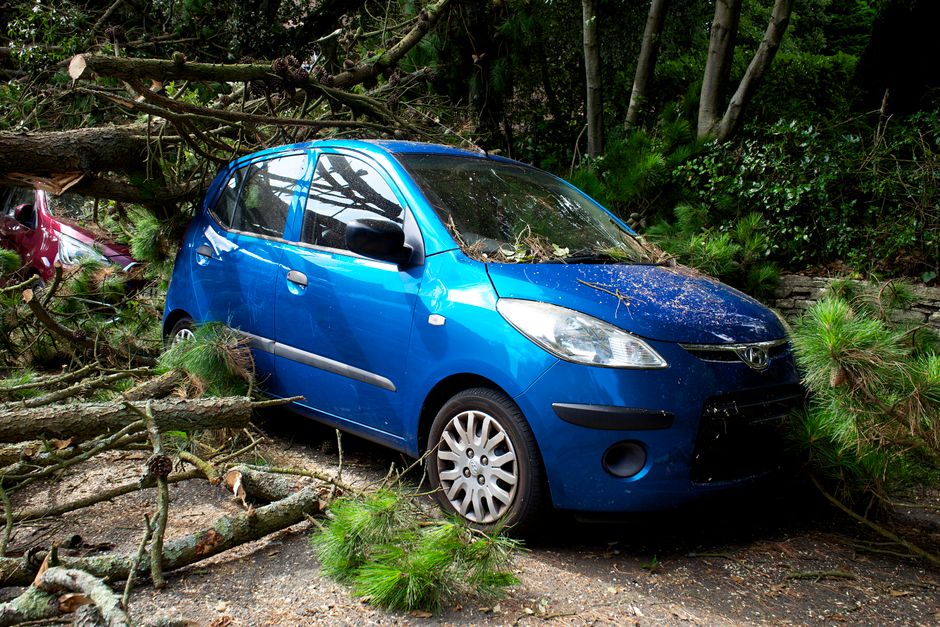
Here is the catch. Even with CDW purchased at the counter or online, you are still liable for the excess, which typically ranges from £500 to £3,000 depending on the category of vehicle. A scratched alloy wheel on a Vauxhall Cor
 sa can trigger a £750 charge on your card before you have even landed back in Paris. That excess, not the headline damage, is what most travellers end up paying for.
What are the main types of car rental insurance cover?
There are four core products, and it helps to know exactly what each one does before anyone at a hire desk tries to bundle them for you.
- Collision Damage Waiver (CDW) – waives most of your liability for collision damage, but leaves the excess amount in play.
- Theft protection / Loss Damage Waiver (LDW) – covers theft of the vehicle or damage caused by attempted theft.
- Excess insurance / Excess waiver – reimburses the excess you would otherwise pay if the car is damaged or stolen. This is the one worth shopping for.
- Supplementary Liability Insurance (SLI) – raises the third-party cover ceiling, which matters mostly for US rentals but is sometimes marketed for UK hires too.
Most reputable UK rental companies, including Europcar, Enterprise, Hertz, Sixt and Avis, build CDW and theft cover into their standard rates. The vulnerable spot is the excess, plus the items that CDW never touches: windscreens, tyres, underbody, mirrors, roof, keys and lost fuel. Those exclusions account for a large share of the disputes filed by renters each year.
How much does car rental insurance in the UK actually cost?
Pricing varies by rental company, season and location, but the pattern is consistent: buying cover at the counter is the most expensive option by a wide margin.
| Cover type | Where you buy it | Typical daily cost |
|---|---|---|
| Super CDW / full excess waiver | Rental desk (Avis, Hertz) | £18–£35 per day |
| Full protection bundle | Prepaid on company website | £10–£22 per day |
| Standalone excess insurance | Specialist broker (annual policy) | £40–£90 per year total |
| Single-trip excess policy | Travel insurer or card provider | £3–£7 per day |
The maths is stark. A two-week hire in Scotland in August with desk-purchased waivers can easily add £300 to £450 to your bill. An annual standalone excess policy from a specialist such as Questor Insurance, Insurance4CarHire or a comparable French broker costs roughly the same as ten days of desk cover, then covers every rental for twelve months, including damage to glass, tyres and undercarriage.
Is it better to buy excess insurance from a third-party provider?
In most cases, yes, and here is why the model works. You decline the rental company’s expensive waiver, accept the standard excess of, say, £1,000, and leave a credit card imprint. If the car gets damaged, you pay the £1,000 to the rental firm, then claim it back from your third-party insurer. The reimbursement step is the trade-off, so keep photos of the car from every angle at pickup and drop-off. Timestamped photos resolve the overwhelming majority of disputed charges.
Check your credit card benefits before buying anything, too. Premium Visa and Amex cards, plus some gold-tier French bank cards, include rental car excess cover when you pay for the hire with the card. Read the small print on geographic exclusions and vehicle categories, since sports cars and vans are usually excluded.
Do French drivers need extra insurance to rent in the UK?
If you are crossing from France, your personal car insurance does not follow you into a rental vehicle, and it definitely does not cover excess liability on a UK hire. Three points matter for French residents:
1. Your driving licence is fine, but plan the details
A French permis de conduire is fully accepted in the UK. Rental desks will also ask for a second proof of identity and a credit card in the main driver’s name. Debit cards are accepted by some firms, but hold amounts can reach £250 on top of the fuel deposit.
2. Driving on the left changes your risk profile
Roundabouts, narrow country lanes in the Cotswolds and single-track roads in the Scottish Highlands all add risk in your first hours of driving. Statistically, unfamiliar-road incidents cluster in the first day of a rental, which is a fair argument for having proper excess cover even on a short trip.
3. Continental travel insurance rarely covers hire-car excess
Standard French travel policies cover medical costs and lost luggage, not vehicle damage liability. If your policy mentions “location de voiture”, check whether it means excess reimbursement or only third-party liability. It is almost always the latter.
How to get the best car rental insurance deal in the UK: a step-by-step approach
- Book the hire car through a comparison site such as Rentalcars or DiscoverCars, noting the included excess amount.
- Get an annual or single-trip excess quote from a specialist provider, typically £40–£90 per year or £3–£7 per day.
- Decline all waivers at the desk, politely and firmly, and confirm the excess figure on the printed agreement.
- Pay the rental deposit with a credit card that may add secondary cover, after verifying its terms.
- Photograph the entire car, including the roof, wheels, windscreen and interior, before leaving the car park.
- Keep the rental agreement, photos and excess policy documents together until the card imprint is released, usually 7–28 days after return.
FAQ about car rental insurance in the UK
Is car rental insurance in the UK compulsory?
Third-party liability is legally compulsory and always included. Damage waivers for the rental car itself are optional, but declining them leaves you liable for the full repair cost up to the stated excess, typically £500 to £3,000.
Does my French car insurance cover a UK rental car?
No. Personal car insurance in France covers your own vehicle and does not extend to rental cars abroad. You need either the rental company’s waivers or a standalone excess policy.
What is the excess on a typical UK rental car?
Economy cars usually carry an excess of £500 to £1,000, while premium saloons, SUVs and people carriers can reach £1,500 to £3,000. The exact figure is printed on your rental agreement, so check it at pickup.
Can I buy car rental excess insurance for just one trip?
Yes. Single-trip policies cost roughly £3 to £7 per day or around £15 to £25 for a week. If you rent twice or more per year, an annual policy at £40 to £90 becomes cheaper very quickly.
Final word before you book
The rental desk is the worst place to make insurance decisions, under time pressure and after a flight. Book your hire car early, arrange excess cover from a specialist provider before you leave France, and photograph everything at pickup. Follow those three habits and your UK road trip, whether it is Cornwall’s coastal roads or the Yorkshire Dales, will cost you less than half the counter price for the same protection.